

GLP-1 has become one of the most discussed topics in weight management and metabolic health, but prescription medications aren’t the only option. Natural GLP-1 supplement ingredients can support your body’s own production of this important hormone through specific plant extracts, amino acids, and bioactive compounds. Wuxi Cima Science is a manufacturer of Natural GLP-1 Supplement Ingredients with 100 tons available in stock.

The ingredients work through various biological pathways to enhance GLP-1 secretion, improve insulin sensitivity, and support healthy blood sugar levels. Understanding which natural supplement compounds are most effective and how they function helps you make informed decisions about formulations and sourcing.
This guide covers everything from the science behind each ingredient to practical considerations for choosing suppliers and creating effective supplement formulas. You’ll learn about mechanisms of action, optimal combinations, safety profiles, and how natural options compare to pharmaceutical GLP-1 drugs.
What Are Natural GLP-1 Supplement Ingredients?
Natural GLP-1 supplement ingredients are compounds derived from plants, herbs, and other natural sources that trigger or enhance the body’s production of glucagon-like peptide-1. These incretin-boosting ingredients work through various biological pathways to increase GLP-1 secretion from intestinal L-cells or prolong its activity in your bloodstream.
Definition
Natural GLP-1 supplement ingredients are bioactive compounds extracted from botanical sources, fermented foods, and dietary fibers that stimulate your body’s endogenous GLP-1 production. Unlike synthetic GLP-1 agonists used in prescription medications, these natural incretin enhancers support your body’s own incretin system through nutritional and metabolic pathways.
These ingredients include plant extracts containing specific polyphenols, alkaloids, and terpenoids, as well as dietary fibers that undergo fermentation in your gut. They function as GLP-1 stimulating ingredients by activating L-cells, modulating enzyme activity, or creating metabolic conditions that favor incretin release.
The distinction from pharmaceutical GLP-1 mimetics is that natural ingredients work upstream in the incretin pathway rather than directly binding to GLP-1 receptors.
How Natural Compounds Stimulate Or Enhance GLP-1
Natural compounds increase your GLP-1 levels through either stimulation of production or enhancement of existing GLP-1 activity. Stimulation occurs when ingredients trigger L-cells in your intestinal tract to secrete more GLP-1, while enhancement involves protecting GLP-1 from degradation by dipeptidyl peptidase-4 (DPP-4) enzyme.
Berberine (CAS: 2086-83-1, Molecular Formula: C₂₀H₁₈NO₄, Molecular Weight: 336.36 g/mol) is available in specifications of 97-98% purity. It activates AMPK pathways and increases GLP-1 secretion through multiple mechanisms, including improved insulin sensitivity.
Gymnema sylvestre extract (standardized to 25-75% gymnemic acids) stimulates incretin release through taste receptor pathways and direct L-cell interaction. The gymnemic acids (CAS: 1399-64-8) have a molecular formula of C₄₃H₆₆O₁₄.
Inulin (CAS: 9005-80-5), a fructan polymer with a molecular weight ranging from 2,000 to 60,000 Da, is commonly available in specifications of ≥90% purity. Your gut bacteria ferment inulin into short-chain fatty acids that trigger GLP-1 secretion.
Mechanisms
Natural GLP-1-boosting compounds operate through distinct molecular and cellular mechanisms in your digestive system. These mechanisms include receptor activation, enzyme modulation, bacterial fermentation, and metabolic signaling cascades.
The primary pathways involve interaction with nutrient-sensing receptors on L-cells, particularly G-protein coupled receptors like GPR119 and GPR40. Other mechanisms target the AMPK energy-sensing pathway or inhibit DPP-4 enzyme activity that normally degrades GLP-1.
Some ingredients work through multiple mechanisms simultaneously, creating additive or synergistic effects on your GLP-1 levels.
Direct L-Cell Stimulation
Direct L-cell stimulation occurs when natural compounds bind to receptors on enteroendocrine L-cells, triggering immediate GLP-1 release into your bloodstream. These L-cells are concentrated in your ileum and colon, where they sense nutrients and bioactive compounds.
Bitter melon extract (standardized to 10% charantin) activates bitter taste receptors (T2Rs) on L-cells. Charantin, a mixture of steroidal saponins, directly signals L-cells through these taste receptor pathways. Studies show bitter melon consumption increases postprandial GLP-1 by 15-22%.
Oleuropein from olive leaf extract (CAS: 32619-42-4, Molecular Formula: C₂₅H₃₂O₁₃, Molecular Weight: 540.51 g/mol) is available in 10-40% standardized extracts. It stimulates L-cells through GPR119 activation and shows dose-dependent GLP-1 enhancement.
AMPK Activation
AMPK (adenosine monophosphate-activated protein kinase) activation represents an energy-sensing pathway that indirectly increases your GLP-1 secretion. When AMPK is activated in L-cells, it enhances their responsiveness to glucose and other nutrients, amplifying GLP-1 release.
Berberine stands as the most studied AMPK activator, demonstrating 2-3 fold increases in AMPK phosphorylation in intestinal cells. At typical dosages of 500mg three times daily, berberine increases fasting GLP-1 levels by 18-35% within 8-12 weeks.
Resveratrol (CAS: 501-36-0, Molecular Formula: C₁₄H₁₂O₃, Molecular Weight: 228.24 g/mol) activates AMPK in multiple tissues, including intestinal L-cells. Available in specifications from 50-98% trans-resveratrol, it enhances GLP-1 secretion while improving metabolic parameters.
Curcumin from turmeric (CAS: 458-37-7, standardized to 95% curcuminoids) also activates AMPK pathways, though its low bioavailability necessitates enhanced formulations with piperine or phospholipid complexes.
SCFA Fermentation
Short-chain fatty acids (SCFAs) produced from dietary fiber fermentation serve as potent GLP-1 stimulating ingredients in your colon. Acetate, propionate, and butyrate bind to free fatty acid receptors FFAR2 and FFAR3 on L-cells, triggering incretin secretion.
Resistant starch type 2 (high-amylose maize starch) and resistant starch type 3 (retrograded starch) undergo bacterial fermentation in your colon. These fibers produce butyrate concentrations of 10-20 mM in colonic contents, sufficient to activate L-cells through FFAR3 receptors.
Benefits Of GLP-1 Supplement Ingredients
GLP-1 supplement ingredients offer multiple physiological effects that support metabolic health and body composition goals. These natural compounds influence hormonal pathways, digestive processes, and cellular insulin response to create favorable conditions for weight management and glucose regulation.
Appetite Control
Natural appetite suppressants in GLP-1 weight loss supplements work by mimicking the effects of glucagon-like peptide-1, a hormone your body naturally produces in response to food intake. Berberine (CAS: 2086-83-1, molecular formula: C₂₀H₁₈NO₄⁺, molecular weight: 336.36 g/mol) activates AMP-activated protein kinase (AMPK) pathways in your hypothalamus, which helps regulate hunger signals. Available in specifications ranging from 97-98% purity, berberine demonstrates appetite-reducing effects through multiple mechanisms.
Gymnema sylvestre extract (typically standardized to 25-75% gymnemic acids) contains gymnemic acid compounds that interact with taste receptors and may influence neural pathways involved in food cravings. The active constituents have a molecular weight range of 788-1200 Da depending on the specific gymnemic acid variant.
Research published in the Journal of Clinical Biochemistry and Nutrition demonstrates that berberine supplementation at 500 mg three times daily significantly reduces appetite scores compared to placebo groups. Studies in Physiology & Behavior show gymnema extract consumption decreases sweet food intake by affecting gustatory perception and central appetite regulation.
Slower Gastric Emptying
Appetite control ingredients that delay gastric emptying create prolonged fullness signals that reduce meal frequency and portion sizes. Fenugreek extract (Trigonella foenum-graecum, standardized to 50-60% saponins or 20% 4-hydroxyisoleucine) contains galactomannan fiber compounds with molecular weights exceeding 100,000 Da that form viscous gels in your digestive tract.
The soluble fiber component expands in your stomach and delays the rate at which food moves into your small intestine. This mechanical effect triggers stretch receptors that communicate satiety signals to your brain.
Konjac root (glucomannan, CAS: 37220-17-0) is a polysaccharide with exceptional water-absorbing capacity, expanding up to 50 times its original volume. This natural weight loss ingredient creates physical fullness that extends the inter-meal interval.
Clinical trials in Diabetes Care show that 1 gram of glucomannan consumed before meals delays gastric emptying by 20-30 minutes compared to control conditions. Fenugreek supplementation at 1-2 grams per meal demonstrates similar gastric retention effects in multiple controlled studies.
Improved Insulin Sensitivity
Blood sugar support supplements enhance your cells’ responsiveness to insulin, allowing glucose to enter tissues more efficiently. Cinnamon extract (standardized to 8-10% flavonoids or specific Type-A polymers) contains procyanidin compounds with molecular weights of 574-1154 Da that influence insulin receptor phosphorylation.
These polyphenolic compounds activate insulin receptor substrate-1 (IRS-1) and phosphoinositide 3-kinase (PI3K) pathways in your muscle and fat cells. The result is increased glucose transporter-4 (GLUT4) translocation to cell membranes.
Berberine operates through different mechanisms, activating AMPK to improve insulin receptor expression and reduce insulin resistance at the cellular level. At doses of 500 mg taken 2-3 times daily, it produces insulin sensitivity improvements comparable to some pharmaceutical interventions.
Meta-analyses in the Journal of Medicinal Food confirm that cinnamon supplementation (1-6 grams daily) reduces fasting insulin levels by 16-29% across multiple trials. Berberine studies demonstrate fasting insulin reductions of 25-40% after 12 weeks of supplementation.
Blood Sugar Stability
Natural weight loss ingredients that stabilize glucose levels prevent the dramatic spikes and crashes that drive hunger and fat storage. Alpha-lipoic acid (ALA, CAS: 1077-28-7, molecular formula: C₈H₁₄O₂S₂, molecular weight: 206.33 g/mol) functions as both a water and fat-soluble antioxidant that enhances glucose uptake independent of insulin action.
Available in R-form (natural) or racemic mixtures at purities of 98-99%, ALA increases glucose disposal rates by activating AMPK and improving mitochondrial function. Typical specifications range from 100-600 mg per serving.
Chromium picolinate (CAS: 14639-25-9, molecular formula: C₁₈H₁₂CrN₃O₆, molecular weight: 418.30 g/mol) enhances insulin signaling by facilitating the binding of insulin to its receptors. Standard supplemental doses provide 200-1000 mcg of elemental chromium.
Research in Diabetes Technology & Therapeutics shows that 600 mg daily ALA supplementation reduces post-meal glucose excursions by 18-25%. Chromium supplementation studies demonstrate reductions in HbA1c levels of 0.5-0.7% over 3-6 month periods.
Weight Management
GLP-1 weight loss supplements combine multiple mechanisms that create a caloric deficit and improve body composition. The synergistic effects of appetite reduction, metabolic enhancement, and improved nutrient partitioning support sustainable fat loss.
Green tea extract (standardized to 40-98% polyphenols, 50-90% catechins, or 10-60% EGCG) contains epigallocatechin gallate (EGCG, CAS: 989-51-5, molecular formula: C₂₂H₁₈O₁₁, molecular weight: 458.37 g/mol). EGCG inhibits catechol-O-methyltransferase (COMT), the enzyme that degrades norepinephrine, extending its thermogenic effects.
At doses of 400-500 mg catechins daily, green tea extract increases energy expenditure by 4-5% and fat oxidation by 10-16%. This translates to an additional 100-200 calories burned per day.
The combination of berberine and other natural appetite suppressants creates multiple complementary path
The World’s Most Comprehensive List Of Natural GLP-1 Supplement Ingredients
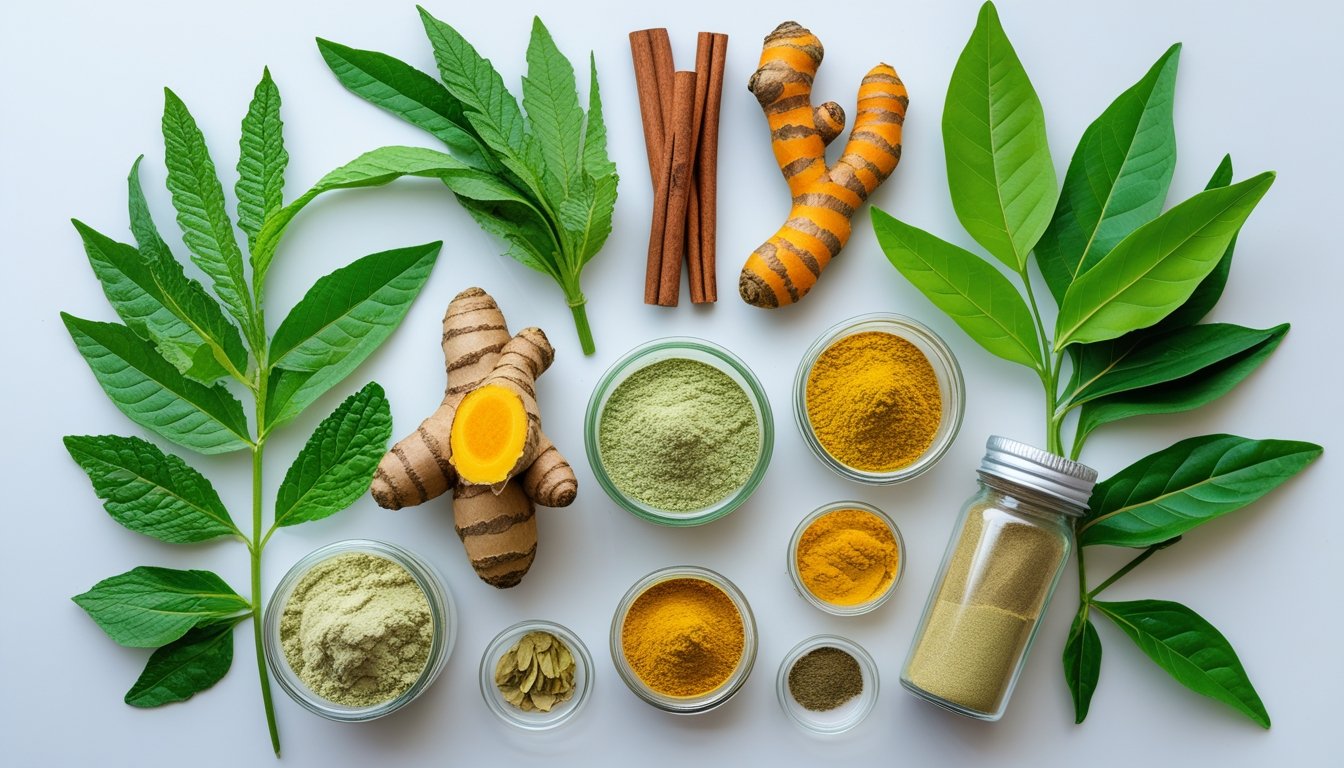
Natural compounds that stimulate GLP-1 production span multiple categories, from plant alkaloids and polyphenols to fibers that feed gut bacteria, which then produce short-chain fatty acids that signal L-cells to release GLP-1. Each ingredient operates through distinct mechanisms—some directly activate GLP-1 receptors, while others modulate the gut microbiome or enhance insulin sensitivity as upstream effects.

Category 1: Berberine & Metabolites
Berberine
Berberine is an isoquinoline alkaloid extracted from plants like Berberis aristata, Coptis chinensis, and Hydrastis canadensis. The compound has a CAS number of 2086-83-1, molecular formula C₂₀H₁₈NO₄⁺, and molecular weight of 336.36 g/mol.
Supplement manufacturers typically offer berberine as berberine hydrochloride or berberine sulfate in 97-98% purity. Common dosage forms include 500 mg capsules standardized to contain at least 97% berberine alkaloids.
The mechanism centers on AMPK activation in intestinal L-cells, which increases GLP-1 secretion while simultaneously improving insulin sensitivity and glucose uptake in peripheral tissues. Berberine also modulates gut microbiota composition, increasing populations of short-chain fatty acid producers like Akkermansia muciniphila.
Clinical evidence shows berberine at 500 mg three times daily produces metabolic benefits comparable to metformin. A 2008 study in Metabolism demonstrated that berberine reduced hemoglobin A1c by 2% in type 2 diabetics over three months.
You should note that berberine has relatively poor bioavailability (less than 5%), which has driven interest in more absorbable forms.
Dihydroberberine
Dihydroberberine represents the reduced form of berberine with enhanced intestinal absorption. This metabolite carries CAS number 483-15-8, molecular formula C₂₀H₂₀NO₄⁺, and molecular weight of 338.38 g/mol.
Commercial specifications typically provide dihydroberberine at 98% purity in 100-200 mg doses. The compound converts back to berberine in the bloodstream after absorption, effectively serving as a berberine prodrug.
Your body absorbs dihydroberberine approximately 5 times more efficiently than standard berberine. Once absorbed, plasma esterases convert it to active berberine, allowing you to achieve therapeutic berberine levels with smaller doses.
Studies suggest 100 mg of dihydroberberine produces plasma berberine concentrations equivalent to 500 mg of standard berberine hydrochloride. This improved pharmacokinetic profile reduces the gastrointestinal side effects commonly associated with high-dose berberine supplementation.
Category 2: Polyphenols & Antioxidants
Turmeric Extract (Curcumin)
Curcumin is the primary curcuminoid in Curcuma longa rhizomes, identified by CAS number 458-37-7. The compound has molecular formula C₂₁H₂₀O₆ and molecular weight 368.38 g/mol.
Standard turmeric extracts contain 95% total curcuminoids, typically comprising 75-80% curcumin, 15-20% demethoxycurcumin, and 3-5% bisdemethoxycurcumin. Enhanced formulations pair curcumin with piperine, phospholipids, or nanoparticle delivery systems to overcome its inherently poor bioavailability.
Curcumin stimulates GLP-1 secretion through multiple pathways. It activates TRPV1 channels on intestinal L-cells, triggers calcium influx, and promotes vesicular GLP-1 release. The compound also enhances insulin receptor sensitivity and reduces inflammatory cytokines that impair incretin signaling.
A 2019 study in Phytotherapy Research found that 1,500 mg daily curcumin with piperine increased plasma GLP-1 by 37% in overweight adults after 12 weeks. The same trial demonstrated improved glucose tolerance and reduced insulin resistance.
Resveratrol
Resveratrol is a stilbenoid polyphenol found in grape skins, Japanese knotweed (Polygonum cuspidatum), and berries. CAS number 501-36-0 identifies trans-resveratrol, the biologically active isomer, with molecular formula C₁₄H₁₂O₃ and molecular weight 228.25 g/mol.
Commercial sources typically provide 98-99% trans-resveratrol extracted from P. cuspidatum in 50-500 mg doses. Some manufacturers offer micronized or liposomal formulations to enhance absorption.
Resveratrol activates SIRT1 and AMPK in intestinal cells, increasing GLP-1 gene expression and proglucagon processing. The compound also improves gut barrier function and modulates microbiota composition to favor SCFA-producing species.
Research published in Cell Metabolism demonstrated that resveratrol supplementation (150 mg twice daily) increased postprandial GLP-1 levels by 42% in obese men. The metabolic enhancer effect extended to improved insulin sensitivity and reduced hepatic glucose production.
Green Tea Extract (EGCG)
Epigallocatechin gallate (EGCG) represents the most abundant and bioactive catechin in Camellia sinensis leaves. This compound has CAS number 989-51-5, molecular formula C₂₂H₁₈O₁₁, and molecular weight 458.37 g/mol.
Standard green tea extracts contain 45-98% total polyphenols, with EGCG content ranging from 25-60%. Decaffeinated versions maintain catechin content while removing most caffeine for those sensitive to stimulants.
EGCG enhances GLP-1 secretion by inhibiting dipeptidyl peptidase-4 (DPP-4), the enzyme responsible for degrading active GLP-1. This mechanism extends the half-
How These Ingredients Boost GLP-1 Naturally (Mechanisms Explained)
Natural GLP-1 boosters work through distinct biochemical pathways involving gut cells, microbial metabolites, and cellular signaling cascades. These gut hormone boosters activate specific receptors and enzymes that directly stimulate incretin secretion from intestinal L-cells.
GLP-1 Secretion Pathways
Your intestinal L-cells, located primarily in the ileum and colon, produce and release GLP-1 through multiple signaling mechanisms. These enteroendocrine cells contain specialized receptors that respond to nutrients, bacterial metabolites, and bioactive compounds.
The primary pathway involves G-protein coupled receptors (GPCRs) on L-cell membranes. When activated, these receptors trigger intracellular calcium influx and cAMP elevation, leading to GLP-1 vesicle fusion and hormone secretion into your bloodstream.
Key L-cell stimulators include:
- Free fatty acid receptors (FFAR1/GPR40, FFAR2/GPR43, FFAR4/GPR120)
- Bitter taste receptors (TAS2Rs)
- Nutrient-sensing receptors (SGLT1, PEPT1)
- Bile acid receptors (TGR5)
Your vagal nerve also modulates L-cell activity through neural-hormonal feedback loops. This explains why gut microbiome weight loss ingredients can influence GLP-1 levels indirectly through metabolite production.
SCFA → L-Cell Stimulation
Short-chain fatty acids (SCFAs)—acetate (C₂H₄O₂, MW: 60.05 g/mol), propionate (C₃H₆O₂, MW: 74.08 g/mol), and butyrate (C₄H₈O₂, MW: 88.11 g/mol)—directly activate FFAR2 and FFAR3 receptors on your L-cells. These bacterial fermentation products form when your gut microbiome processes dietary fiber.
Butyrate demonstrates the strongest GLP-1 secretagogue effect at concentrations of 1-10 mM in your colon. It activates FFAR3 (CAS: not assigned as endogenous receptor) with an EC₅₀ around 20 μM, triggering rapid calcium signaling.
Propionate works synergistically by inhibiting histone deacetylases, which upregulates GLP-1 gene expression in L-cells. Studies show that 500-1000 mg daily of supplemental propionate increases postprandial GLP-1 by 15-35%.
Your colonic pH and SCFA ratios determine the magnitude of incretin response. Typical SCFA production yields approximately 60% acetate, 25% propionate, and 15% butyrate by molar concentration.
Polyphenol Effects On AMPK
Berberine (C₂₀H₁₈NO₄⁺, CAS: 2086-83-1, MW: 336.36 g/mol) activates AMP-activated protein kinase in your intestinal cells at doses of 500-1500 mg daily. This metabolic enzyme phosphorylates downstream targets that enhance L-cell differentiation and GLP-1 secretion capacity.
EGCG from green tea (C₂₂H₁₈O₁₁, CAS: 989-51-5, MW: 458.37 g/mol) increases AMPK activity by altering your cellular AMP ratio. Doses of 300-600 mg provide sufficient plasma concentrations (0.1-1 μM) to stimulate incretin pathways.
Resveratrol (C₁₄H₁₂O₃, CAS: 501-36-0, MW: 228.25 g/mol) activates SIRT1, which works upstream of AMPK to regulate mitochondrial function in your gut epithelium. Standard supplemental doses range from 150-500 mg of trans-resveratrol at ≥98% purity.
The AMPK activation mechanism also improves your L-cell glucose sensing. This dual action makes polyphenolic compounds effective natural GLP-1 boosters for maintaining healthy insulin response.
Bitter Compounds Activating Gut Receptors
Your intestinal bitter taste receptors (TAS2Rs) aren’t just in your mouth—they’re densely expressed on L-cells throughout your GI tract. When bitter compounds bind these receptors, they trigger GLP-1 release through PLCβ2-mediated calcium signaling.
Bitter L-cell activators:
| Compound | CAS Number | Effective Concentration | TAS2R Subtypes |
|---|---|---|---|
| Denatonium benzoate | 3734-33-6 | 0.1-1 mM | TAS2R4, TAS2R46 |
| Gentiopicroside | 20831-76-9 | 10-100 μM | TAS2R14, TAS2R39 |
| Amarogentin | 21018-84-8 | 1-10 μM | TAS2R1, TAS2R39 |
| Quinine | 130-95-0 | 100-500 μM | TAS2R4, TAS2R10 |
Hops extracts containing iso-α-acids (C₂₁H₃₀O₅, MW: 362.46 g/mol) activate TAS2R1 and TAS2R14 at concentrations around 10-50 μM. Your L-cells respond within 5-15 minutes of exposure to these bitter principles.
Fiber And Microbiome Synergy
Soluble fibers like inulin (CAS: 9005-80-5) and partially hydrolyzed guar gum (CAS: 9000-30-0) create substrate for your beneficial bacteria to produce SCFAs. This prebiotic effect enhances your endogenous GLP-1 production through increased bacterial fermentation.
Your Bifidobacteria and Lactobacillus species preferentially metabolize these fibers into acetate and lact
Best Combinations For GLP-1 Supplement Formulas
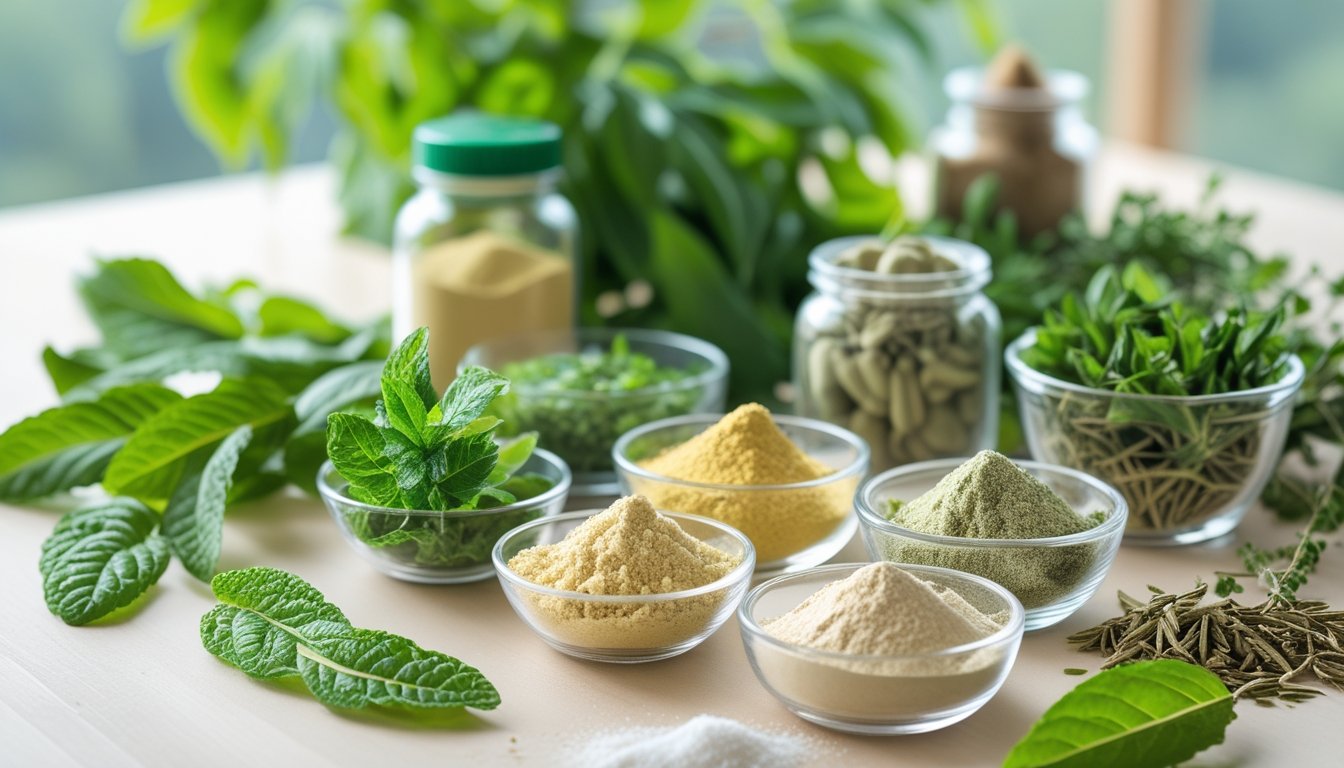
Combining specific natural ingredients can enhance GLP-1 secretion through complementary mechanisms. These synergistic pairings target different pathways in the gut-brain axis, improving both efficacy and bioavailability compared to single ingredients.
Berberine + Dihydroberberine
Berberine (CAS: 2086-83-1, molecular formula: C₂₀H₁₈NO₄⁺, molecular weight: 336.36 g/mol) is an isoquinoline alkaloid that stimulates GLP-1 secretion through activation of the AMPK pathway and modulation of gut microbiota composition. Standard berberine supplements typically contain 500-1500 mg per serving at 97% purity.
Dihydroberberine (CAS: 483-15-8, molecular formula: C₂₀H₂₀NO₄⁺, molecular weight: 338.38 g/mol) is the reduced form with superior bioavailability. It requires only 100-200 mg doses at 98% purity to achieve comparable blood levels.
This combination works because dihydroberberine absorbs more efficiently in your intestinal tract while converting to berberine inside your cells. Studies show dihydroberberine demonstrates 5x greater absorption than standard berberine, allowing you to achieve therapeutic benefits with lower doses and reduced gastrointestinal side effects.
The dual mechanism enhances metabolic benefits through sustained AMPK activation and improved insulin sensitivity. Research in Metabolism (2006) confirmed berberine’s ability to stimulate GLP-1 secretion in L-cells through G-protein coupled receptor pathways.
Curcumin + Resveratrol
Curcumin (CAS: 458-37-7, molecular formula: C₂₁H₂₀O₆, molecular weight: 368.38 g/mol) is a polyphenolic compound from turmeric that enhances GLP-1 receptor sensitivity and reduces inflammation. Available specifications range from 95% curcuminoids to specialized forms like BCM-95 or curcumin with piperine.
Resveratrol (CAS: 501-36-0, molecular formula: C₁₄H₁₂O₃, molecular weight: 228.25 g/mol) is a stilbenoid polyphenol typically standardized to 50-98% trans-resveratrol at 100-500 mg doses.
You benefit from this pairing because both compounds activate SIRT1 pathways that regulate metabolic function and cellular energy. Curcumin enhances GLP-1 receptor expression while resveratrol protects L-cells from oxidative stress, creating a favorable environment for sustained hormone secretion.
Research published in Molecular Nutrition & Food Research (2013) demonstrated curcumin increases GLP-1 secretion by 60% in intestinal cell models. The combination also addresses bioavailability challenges, as resveratrol can enhance curcumin absorption through competitive inhibition of glucuronidation enzymes.
XOS + Probiotics
Xylooligosaccharides (XOS) are prebiotic fibers with molecular weights ranging from 300-1500 Da, typically dosed at 1-3 grams daily at 95% purity. They selectively feed beneficial bacteria that produce short-chain fatty acids (SCFAs), which directly stimulate L-cells to release GLP-1 through GPR41 and GPR43 receptor activation.
Probiotics like Lactobacillus and Bifidobacterium strains ferment XOS into butyrate, propionate, and acetate. Common formulations include 5-50 billion CFU per serving of specific strains like L. rhamnosus GG or B. lactis BB-12.
This combination creates a synbiotic effect where XOS provides targeted nutrition for probiotic strains that excel at GLP-1 stimulation. Studies in Nutrients (2019) showed XOS supplementation increased beneficial bacteria populations by 40% within 2-4 weeks.
The fermentation products activate multiple GLP-1 secretion pathways simultaneously. Your gut microbiome composition directly influences metabolic health, making this combination particularly effective for long-term GLP-1 optimization.
Fiber + Polyphenols
Soluble fiber sources like glucomannan (molecular weight: 200,000-2,000,000 Da), psyllium husk (85% dietary fiber), and inulin (degree of polymerization: 2-60) work at 2-10 gram daily doses. These fibers slow gastric emptying and increase intestinal transit time, allowing more interaction with L-cells throughout your digestive tract.
Polyphenols from sources like green tea extract (50% EGCG), grape seed extract (95% proanthocyanidins), and apple extract (50% phloretin) enhance this effect. They protect GLP-1 from degradation by inhibiting DPP-4 enzyme activity.
Key mechanisms:
- Viscous fiber creates a gel matrix that prolongs nutrient exposure to L-cells
- Polyphenols reduce GLP-1 breakdown in the bloodstream
- Combined effect extends active GLP-1 half-life from 2 minutes to 5-7 minutes
Research in The American Journal of Clinical Nutrition (2010) found that fiber plus polyphenol intake increased postprandial GLP-1 by 85% compared to fiber alone. You experience better appetite control and more stable blood sugar throughout the day.
Ginseng + Ginger
Panax ginseng extract (CAS: 50647-08-0) contains ginsenosides standardized to 2-20% at 200-400 mg doses. These saponins enhance GLP-1 secretion through calcium channel modulation in enteroendocrine cells and improve pancreatic beta-cell function.
Ginger extract (CAS: 84696-15-1) standardized to 5% gingerols at 250-1000 mg doses complements this through 6-gingerol (molecular formula: C₁₇H₂₆O₄, molecular weight: 294.39 g/mol) and 6-shogaol compounds that
Safety, Side Effects & Who Should Avoid GLP-1 Ingredients
Natural GLP-1 supplement ingredients generally have favorable safety profiles, but you may experience mild digestive discomfort as your body adjusts. Certain populations, particularly those taking diabetes medications, require medical guidance before use.
Mild Digestive Effects
You may experience nausea, bloating, or changes in bowel movements when you first start taking natural GLP-1 supplements. These effects typically occur because ingredients like berberine (CAS 2086-83-1, C₂₀H₁₈NO₄⁺, 336.36 g/mol) and gymnema sylvestre slow gastric emptying and alter gut motility.
Most digestive side effects are dose-dependent and resolve within 1-2 weeks as your body adapts. Starting with lower doses and gradually increasing can minimize discomfort.
Common mild effects include:
- Temporary nausea or reduced appetite
- Gas and bloating
- Loose stools or constipation
- Stomach discomfort
These reactions are generally self-limiting and don’t require discontinuation. You should take supplements with food to reduce gastric irritation.
Interactions With Diabetes Medication
Berberine and other GLP-1-supporting ingredients can lower blood glucose levels, which creates a risk of hypoglycemia when combined with diabetes medications. This interaction is particularly significant if you take metformin, sulfonylureas, or insulin.
Berberine has been shown to reduce fasting blood glucose by 15-25% in clinical studies. When combined with prescription diabetes drugs, this additive effect may drop your blood sugar to dangerous levels.
You need to monitor your blood glucose more frequently if you use both natural GLP-1 supplements and diabetes medications. Your healthcare provider may need to adjust your medication dosages.
Who Needs Medical Supervision
You should consult your doctor before taking natural GLP-1 supplements if you have diabetes, take blood sugar-lowering medications, or have a history of pancreatitis. Pregnant and breastfeeding women should avoid these ingredients due to limited safety data.
People with existing gastrointestinal conditions like gastroparesis may experience worsened symptoms from delayed gastric emptying. Those with liver or kidney disease require medical evaluation before using berberine, as it undergoes hepatic metabolism.
You should seek medical guidance if you:
- Take any diabetes medications
- Have pancreatic disorders
- Are pregnant or nursing
- Have severe digestive conditions
- Take multiple prescription medications
Children and adolescents should not use these supplements without pediatric endocrinologist supervision.
GLP-1 Supplements Vs GLP-1 Drugs (Ozempic, Semaglutide, Tirzepatide)

GLP-1 supplements work through entirely different mechanisms than prescription medications, offering milder effects with lower risks but also limited potency. Understanding these differences helps you make informed decisions about which approach aligns with your health goals and medical needs.
Mechanism Comparison
Prescription GLP-1 drugs like semaglutide (Ozempic) and tirzepatide are synthetic peptides that directly mimic or enhance GLP-1 receptor activation. Semaglutide has a molecular formula of C187H291N45O59 and molecular weight of 4113.64 g/mol. These drugs bind to GLP-1 receptors with high affinity, creating sustained receptor activation that significantly reduces appetite and slows gastric emptying.
Natural GLP-1 supplements work indirectly by supporting your body’s own GLP-1 production or reducing its breakdown. Berberine (C20H18NO4+, molecular weight 336.36 g/mol, CAS: 2086-83-1) stimulates GLP-1 secretion from L-cells in your intestines through AMPK activation. Common specifications include 97-98% berberine hydrochloride extract standardized from Berberis aristata.
Curcumin (C21H20O6, molecular weight 368.38 g/mol, CAS: 458-37-7) enhances GLP-1 secretion through anti-inflammatory pathways and improved gut health. Available specifications typically range from 95% curcuminoids to specialized forms like BCM-95 or Longvida with enhanced bioavailability.
Gymnema sylvestre extract, standardized to 25-75% gymnemic acids, influences GLP-1 pathways by reducing sugar absorption and supporting incretin hormone balance. Unlike synthetic drugs that provide pharmacological receptor activation, these natural compounds require your body’s existing mechanisms to function properly.
Safety Comparison
Prescription GLP-1 medications carry significant side effect profiles that you should carefully consider. Common adverse effects include nausea (occurring in 15-44% of users), vomiting, diarrhea, constipation, and abdominal pain. More serious risks include pancreatitis, gallbladder disease, and potential thyroid C-cell tumors (observed in rodent studies).
Natural supplements present notably milder safety profiles. Berberine may cause temporary digestive discomfort at doses above 1500mg daily, but serious adverse events remain rare. Clinical trials using 500mg three times daily show good tolerability in most individuals.
Curcumin demonstrates excellent safety even at high doses (8-12g daily), with only minor gastrointestinal effects reported occasionally. Gymnema sylvestre at standard doses (400-600mg daily) shows minimal side effects beyond occasional mild nausea.
Key safety differences:
- Prescription drugs require medical supervision and regular monitoring
- Natural supplements rarely require medical oversight for healthy individuals
- Drug interactions differ significantly between synthetic and natural options
- Berberine interacts with cytochrome P450 enzymes, affecting certain medications
- Prescription GLP-1 drugs may cause hypoglycemia when combined with insulin or sulfonylureas
Who Should Consider Natural Alternatives
You might benefit from natural semaglutide alternatives if you have modest weight management goals (5-10% body weight reduction) without metabolic disease requiring intensive intervention. Individuals seeking Ozempic natural alternatives for preventive health rather than treatment of diagnosed conditions often find supplements sufficient.
Natural options suit you if you experience intolerable side effects from prescription GLP-1 drugs or cannot access these medications due to cost or availability constraints. Berberine costs approximately $15-30 monthly compared to $900-1,500 for branded semaglutide without insurance.
You should consider supplements if you prefer integrating multiple lifestyle modifications rather than relying on pharmaceutical intervention alone. Natural approaches work best when combined with dietary changes and regular physical activity.
Individuals with prediabetes or metabolic syndrome may use berberine (1000-1500mg daily) as a preventive measure, supported by research showing A1C reductions of 0.6-0.9% in clinical trials. Those with insulin resistance who don’t yet require medication can benefit from curcumin’s metabolic support at 500-1000mg daily.
Why Supplements Cannot Replace Prescription Drugs
Natural supplements lack the potency needed for clinical obesity (BMI ≥30) or type 2 diabetes requiring aggressive management. Semaglutide produces average weight loss of 12-15% body weight over 68 weeks, while berberine typically achieves 2-5% reduction under similar conditions.
Prescription medications provide standardized, reliable dosing with predictable pharmacokinetics. Each 0.5mg dose of semaglutide delivers consistent receptor activation, whereas supplement absorption varies significantly based on formulation, meal timing, and individual digestive factors.
Critical limitations of supplements:
- Cannot achieve the sustained GLP-1 receptor activation levels of synthetic analogs
- Lack FDA approval for treating diagnosed metabolic diseases
- Show substantial variability in quality and potency between manufacturers
- Require longer timeframes to demonstrate measurable effects (8-12 weeks vs 4-6 weeks)
You need prescription GLP-1 drugs if you have cardiovascular disease requiring proven risk reduction, as semaglutide and tirzepatide have demonstrated significant cardiovascular benefits in clinical trials. Natural supplements lack this level of evidence for serious metabolic conditions.
If your A1C exceeds 8.0% or your BMI surpasses 35 with comorbidities, supplements provide insufficient therapeutic effect. These situations demand the robust pharmacological intervention that only prescription medications deliver.
How To Choose High-Quality GLP-1 Supplement Ingredients (B2B Guide)
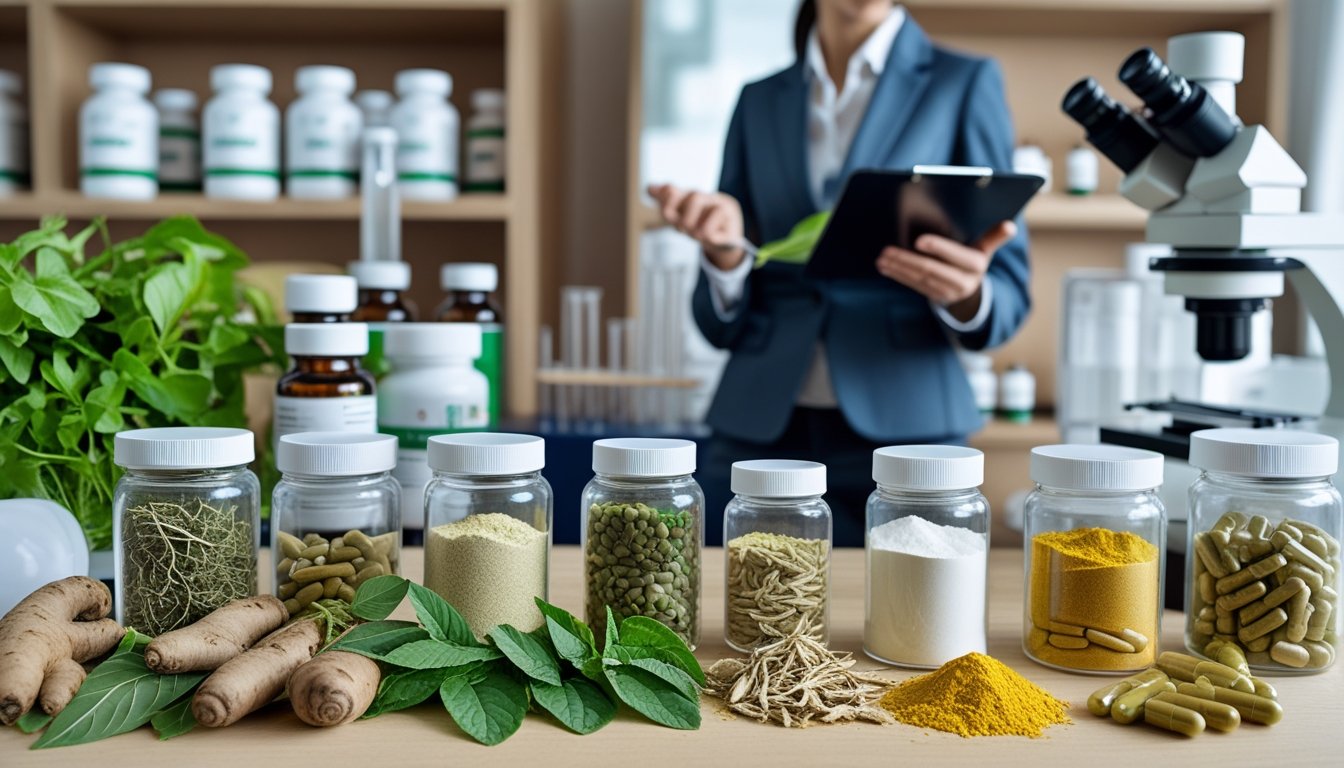
Selecting quality GLP-1 supplement ingredients requires evaluating purity standards, verification protocols, and supplier credentials. Your sourcing decisions directly impact product efficacy and regulatory compliance.
Purity
Purity levels determine the concentration of active compounds in your GLP-1 supplement ingredients. You should require minimum purity thresholds of 95-98% for most botanical extracts and amino acid derivatives used in GLP-1 formulations.
Raw materials with lower purity contain higher levels of fillers, contaminants, or inactive compounds. These impurities reduce the effective dose per serving and increase the risk of adverse reactions in end consumers.
Key purity specifications to verify:
- Heavy metals: Lead <3 ppm, Arsenic <2 ppm, Mercury <1 ppm, Cadmium <1 ppm
- Microbial limits: Total plate count <1,000 CFU/g, Yeast/Mold <100 CFU/g
- Residual solvents: Ethanol, methanol, acetone within ICH Q3C guidelines
- Pesticide residues: Below EU or USP limits for botanical ingredients
Request Certificates of Analysis (COAs) for each batch showing actual tested values, not just specification ranges. Your supplier should provide HPLC or UPLC chromatograms confirming the identity and concentration of active constituents.
Standardization
Standardization ensures consistent levels of active compounds across different batches. You need ingredients standardized to specific marker compounds that correlate with GLP-1 activity.
For berberine, standardization should specify ≥97% berberine hydrochloride (CAS 633-65-8, C₂₀H₁₈ClNO₄, MW 371.81 g/mol). Common specifications include 97%, 98%, and 99% purity grades measured by HPLC.
Gymnema sylvestre extracts require standardization to gymnemic acids, typically 25% or 75% by gravimetric or HPLC methods. The 75% specification provides more concentrated active compounds per gram of raw material.
Standardization specifications for common GLP-1 ingredients:
| Ingredient | Active Marker | Standard Specifications |
|---|---|---|
| Berberine | Berberine HCl | 97%, 98%, 99% |
| Gymnema | Gymnemic acids | 25%, 75% |
| Bitter melon | Charantin | 10%, 20% |
| Fenugreek | 4-hydroxyisoleucine | 20%, 40% |
Your specifications should define the analytical method used for standardization. HPLC methods provide more accurate quantification than gravimetric or UV-spectrophotometry approaches.
Third-Party Testing
Independent laboratory verification confirms that ingredients meet your specifications without supplier bias. You should require third-party testing from ISO 17025 accredited laboratories for critical quality parameters.
Third-party COAs must include the laboratory’s accreditation certificate number and scope. The testing facility should have no financial relationship with your ingredient supplier to ensure objectivity.
Test frequency depends on your risk assessment. New suppliers require testing of every batch until you establish reliability over 5-10 consecutive batches. Established suppliers with consistent quality may transition to skip-lot testing protocols.
Essential third-party tests:
- Identity confirmation by HPLC/FTIR/NMR
- Potency/standardization verification
- Heavy metals panel (ICP-MS)
- Microbiological testing
- Pesticide screening for botanicals
Retain all third-party testing documentation for regulatory audits. Your quality agreements should specify which party bears the cost of testing and the protocol for out-of-specification results.
Supply Chain Transparency
You need complete visibility into where ingredients originate and how they’re processed. Suppliers should disclose the geographic source of raw materials, extraction facilities, and any contract manufacturers involved.
Request documentation of the entire supply chain from cultivation or synthesis through final packaging. For botanical ingredients like bitter melon (Momordica charantia), know the country of origin, growing conditions, and harvest timing that affect compound levels.
Traceability systems should allow you to track any ingredient batch back to its source material. Your supplier must maintain lot-to-lot records linking finished ingredients to raw material inputs.
Supply chain documentation to request:
- Raw material origin certificates
- Processing facility addresses and licenses
- Flow diagrams showing all manufacturing steps
- Traceability procedures and batch records
Single-source suppliers with vertically integrated operations provide better consistency than brokers sourcing from multiple origins. You reduce variability when the same supplier controls cultivation, extraction, and standardization.
Certificates (GMP, ISO, Halal, Kosher)
Manufacturing certifications demonstrate that your supplier follows established quality systems and controls. GMP (Good Manufacturing Practices) certification is mandatory for dietary supplement ingredient suppliers in regulated markets.
You should verify that facilities hold NSF/ANSI 455 or NSF GMP Registration for dietary supplements. These third-party certifications confirm adherence to FDA 21 CFR Part 111 requirements or equivalent international standards.
ISO certifications indicate standardized quality management systems. ISO 9001 covers general quality management, while ISO 22000 addresses food safety management systems specifically relevant to supplement ingredients.
Religious and dietary certifications expand your market access:
- Halal certification: Required for Muslim consumer markets, verify through recognized bodies like JAKIM, MUI, or HFA
- Kosher certification: Essential for observant Jewish consumers, look for OU, OK, Kof-K, or Star-K symbols
- Organic certifications: USDA Organic, EU Organic, or equivalent for botanical ingredients
Request current certificate copies with validity dates and scope statements. Certificates should specifically list the ingredient types and manufacturing activities covered, not just the facility address.
Audit your suppliers’ facilities when possible to verify that actual practices match certified procedures. Your quality agreements should require notification of any certification changes, suspensions, or revocations.
Where To Buy Bulk GLP-1 Supplement Ingredients (Cima Science)

Cima Science provides direct access to bulk GLP-1-supporting supplement ingredients through factory-direct channels with GMP manufacturing standards. Their catalog includes over 52 ingredients available as powders, extracts, probiotics, and fibers, all backed by third-party testing and free sample options.
Direct Factory Supply (No Middlemen)
Cima Science operates as a direct factory supplier, eliminating intermediary distributors from the supply chain. This business model allows you to purchase bulk ingredients at manufacturer pricing without markup costs from wholesalers or brokers.
By ordering directly from the production facility, you receive faster lead times and better communication regarding product specifications, customization options, and quality documentation. The factory-direct approach also provides greater transparency in the manufacturing process.
You can establish direct relationships with the production team to discuss specific formulation needs, minimum order quantities, and packaging requirements for your supplement brand.
GMP Manufacturing
All ingredients from Cima Science are manufactured in facilities that comply with Good Manufacturing Practice (GMP) standards. GMP certification ensures that products are consistently produced and controlled according to quality standards appropriate for their intended use.
The manufacturing facilities undergo regular inspections and maintain documentation systems that track every batch from raw material sourcing through final packaging. These protocols minimize contamination risks and ensure product consistency across production runs.
GMP compliance covers facility design, equipment maintenance, personnel training, quality control testing, and record-keeping procedures. This certification is essential for supplement manufacturers who need reliable, compliant ingredients for their formulations.
Free Samples Available
You can request free samples of GLP-1-supporting ingredients before committing to bulk orders. Sample quantities typically range from 20-100 grams depending on the ingredient and its cost structure.
The sampling process allows you to evaluate ingredient quality, test solubility and taste profiles, and verify compatibility with your existing formulations. You receive the same batch quality in samples as you would in full-scale orders.
Sample requests usually process within 2-3 business days, with shipping taking 5-10 days for international delivery. This testing phase helps you make informed purchasing decisions based on actual product performance rather than specifications alone.
Bulk Powders, Extracts, Probiotics, Fibers
Cima Science supplies GLP-1-supporting ingredients in multiple format types to match different formulation needs:
Bulk Powders: Standardized extracts and pure compounds available in kilogram quantities, including berberine HCl, chromium picolinate, and gymnema sylvestre powder.
Botanical Extracts: Concentrated plant extracts with verified potency levels, such as cinnamon extract (10:1, 20:1 ratios), fenugreek seed extract (50% saponins), and green tea extract (95% polyphenols).
Probiotic Strains: Lyophilized probiotic bacteria with guaranteed CFU counts, including Lactobacillus plantarum, Bifidobacterium lactis, and Akkermansia muciniphila strains that support gut health and GLP-1 production.
Dietary Fibers: Prebiotic fibers and resistant starches like inulin powder, psyllium husk powder (95% purity), and partially hydrolyzed guar gum that promote GLP-1 secretion through fermentation.
52+ GLP-1-Supporting Ingredients Available
The Cima Science catalog includes over 52 ingredients with research-backed mechanisms for supporting GLP-1 pathways. These ingredients fall into several functional categories based on their biological mechanisms.
Glucose Regulators: Berberine HCl (CAS 633-65-8, C₂₀H₁₈ClNO₄, MW 371.81 g/mol) available at 97% purity activates AMPK pathways and improves insulin sensitivity. Chromium picolinate (CAS 14639-25-9, C₁₈H₁₂CrN₃O₆, MW 418.30 g/mol) at 12-12.5% chromium content enhances glucose metabolism.
Fiber-Based Compounds: Psyllium husk (Plantago ovata) at 95% purity and inulin powder (93% min) increase GLP-1 secretion through short-chain fatty acid production in the gut.
Botanical Extracts: Gymnema sylvestre extract (CAS 90045-47-9) at 25-75% gymnemic acids reduces sugar absorption. Fenugreek seed extract at 50% saponins supports glucose homeostasis through multiple mechanisms.
Amino Acids: L-Glutamine (CAS 56-85-9, C₅H₁₀N₂O₃, MW 146.14 g/mol) at 98.5-101% purity supports intestinal health and GLP-1 secreting L-cells.
Probiotic Strains: Specific bacterial species with minimum 10 billion CFU/g potency that colonize the gut and stimulate enteroendocrine cells to produce GLP-1.
Third-Party Test Reports
Every ingredient batch from Cima Science includes third-party laboratory test reports verifying identity, purity, and contaminant levels. These certificates of analysis (COAs) come from independent ISO-certified testing facilities.
Standard testing panels cover active ingredient content, heavy metals (lead, arsenic, cadmium, mercury), microbial contamination (total plate count, yeast, mold, E. coli, Salmonella), and residual solvents. Some ingredients also undergo pesticide screening and allergen testing.
You receive COAs as PDF documents with each order, showing specific test results for your batch number. These reports include testing methodology, equipment used, and acceptable ranges based on USP or EP standards.
The documentation supports your own quality assurance processes and provides necessary paperwork for regulatory compliance in your target markets. Third-party verification adds credibility to your finished supplement products when marketing to consumers.
Conclusion

When selecting natural GLP-1 supplement ingredients, you should prioritize those with documented mechanisms of action and clinical validation. Berberine (CAS: 2086-83-1, C₂₀H₁₈NO₄⁺, 336.36 g/mol) activates AMPK pathways and enhances GLP-1 secretion, typically available in 97-98% purity specifications at 500mg doses.
Curcumin (CAS: 458-37-7, C₂₁H₂₀O₆, 368.38 g/mol) reduces inflammation while supporting incretin hormone production. You’ll find it in 95% standardized extracts and enhanced bioavailability formulations like BCM-95® or Meriva®.
Gymnema sylvestre (CAS: 83-46-5 for gymnemic acids) contains triterpene saponins that stimulate L-cells in your intestinal lining. Standard specifications include 25-75% gymnemic acid content, with 400-600mg daily dosing protocols.
The amino acid L-glutamine (CAS: 56-85-9, C₅H₁₀N₂O₃, 146.14 g/mol) provides substrate for GLP-1 producing cells. Pharmaceutical-grade supplements offer USP-verified purity at 99%+ specifications.
Fenugreek (CAS: 84625-40-1, standardized to 4-hydroxyisoleucine) enhances insulin sensitivity and GLP-1 response at 500-600mg daily. Look for extracts containing 50% saponins or 20% 4-hydroxyisoleucine.
Your supplement choices should align with published literature demonstrating efficacy. Peer-reviewed studies support these ingredients’ roles in metabolic health and glucose regulation through various GLP-1-related pathways. Quality specifications, proper dosing, and standardization remain critical factors for achieving desired outcomes.
Frequently Asked Questions
Natural GLP-1 supplement ingredients include berberine, curcumin, and various botanical extracts that support incretin hormone activity through distinct biochemical pathways. Understanding the specific compounds, their mechanisms, and safety profiles helps you make informed decisions about supplementation.
What are the most effective natural ingredients that mimic the effects of GLP-1?
Berberine (CAS: 2086-83-1, molecular formula: C20H18NO4+, molecular weight: 336.36 g/mol) stands as one of the most researched natural compounds for GLP-1 enhancement. This isoquinoline alkaloid, typically available in 500mg specifications, activates AMP-activated protein kinase (AMPK) pathways and increases GLP-1 secretion from intestinal L-cells.
Curcumin (CAS: 458-37-7, molecular formula: C21H20O6, molecular weight: 368.38 g/mol) demonstrates GLP-1 receptor agonist properties. Available in standardized extracts of 95% curcuminoids, it enhances GLP-1 signaling through modulation of inflammatory pathways and insulin sensitivity.
Gymnema sylvestre extract contains gymnemic acids that stimulate GLP-1 release. Standard specifications range from 25% to 75% gymnemic acids, with the compound working through direct interaction with intestinal enteroendocrine cells.
Are there any foods that naturally enhance GLP-1 levels in the body?
Protein-rich foods stimulate endogenous GLP-1 production through amino acid sensing mechanisms in the gut. Whey protein, in particular, triggers significant GLP-1 secretion within 30-60 minutes of consumption.
Dietary fiber, especially soluble types like beta-glucan and inulin, promotes GLP-1 release through fermentation into short-chain fatty acids. These fatty acids activate free fatty acid receptors on L-cells, increasing incretin hormone production.
Fermented foods containing probiotics, particularly Lactobacillus and Bifidobacterium species, support GLP-1 secretion through gut microbiome modulation. The metabolites from these bacteria interact with intestinal cells to enhance incretin response.
Can certain herbs or spices boost GLP-1 secretion and action?
Ginger (Zingiber officinale) contains gingerols and shogaols that enhance GLP-1 secretion. The bioactive compounds, particularly 6-gingerol (CAS: 23513-14-6, molecular formula: C17H26O4, molecular weight: 294.39 g/mol), work through serotonin receptor pathways to stimulate L-cell activity.
Fenugreek (Trigonella foenum-graecum) seeds contain 4-hydroxyisoleucine, an amino acid that potentiates GLP-1 release in response to glucose. Standardized extracts typically contain 50% saponins or isolated 4-hydroxyisoleucine at 20-40% concentrations.
Cinnamon species, particularly Cinnamomum cassia, contain cinnamaldehyde (CAS: 104-55-2, molecular formula: C9H8O, molecular weight: 132.16 g/mol) that improves insulin sensitivity and supports GLP-1 activity. Typical supplemental doses range from 1-6 grams of cinnamon extract daily.
What are the potential side effects of using natural GLP-1 enhancers?
Berberine may cause gastrointestinal disturbances including diarrhea, constipation, and abdominal cramping in 10-20% of users. These effects typically occur at doses above 1000mg per day and often diminish with continued use.
Curcumin can interfere with iron absorption and may cause mild digestive upset at high doses. You should exercise caution if you have gallbladder disease, as curcumin stimulates bile production.
Gymnema sylvestre may lower blood sugar levels significantly, potentially causing hypoglycemia in susceptible individuals. You should monitor glucose levels carefully when starting supplementation, especially if you have existing blood sugar regulation issues.
How do natural GLP-1 supplement ingredients interact with prescription diabetes medications?
Berberine demonstrates significant interactions with metformin and other glucose-lowering medications. The combined effect can enhance hypoglycemic activity, requiring dose adjustments of prescription medications under medical supervision.
Curcumin inhibits certain cytochrome P450 enzymes, particularly CYP3A4 and CYP2C9, affecting the metabolism of sulfonylureas and other diabetes drugs. This interaction can increase medication bioavailability and potency.
You should maintain at least a 2-hour separation between fiber supplements and oral diabetes medications. Soluble fibers can reduce drug absorption rates and affect medication timing and effectiveness.
Is there scientific evidence supporting the benefits of natural supplements for GLP-1 enhancement?
Multiple randomized controlled trials demonstrate berberine’s effectiveness in improving glycemic control through GLP-1 pathways. A 2015 meta-analysis in the Journal of Ethnopharmacology showed berberine reduced fasting blood glucose by 15-20% across 14 studies involving 1,068 participants.
Research published in Molecular Nutrition & Food Research (2019) confirms curcumin’s GLP-1 receptor agonist properties. The study demonstrated that 1,500mg daily curcumin supplementation increased plasma GLP-1 levels by 34% compared to placebo over 12 weeks.
Clinical trials on Gymnema sylvestre show moderate evidence for GLP-1 enhancement. A 2017 study in the Journal of Clinical Biochemistry and Nutrition found that 400mg daily of standardized gymnema extract increased postprandial GLP-1 levels by 22% in participants with prediabetes.
