

Inulin is a type of soluble fiber found naturally in certain plants that serves as a prebiotic, providing food for beneficial gut bacteria. This carbohydrate passes through the digestive system intact until it reaches the colon, where it supports digestive health and may offer several metabolic benefits.
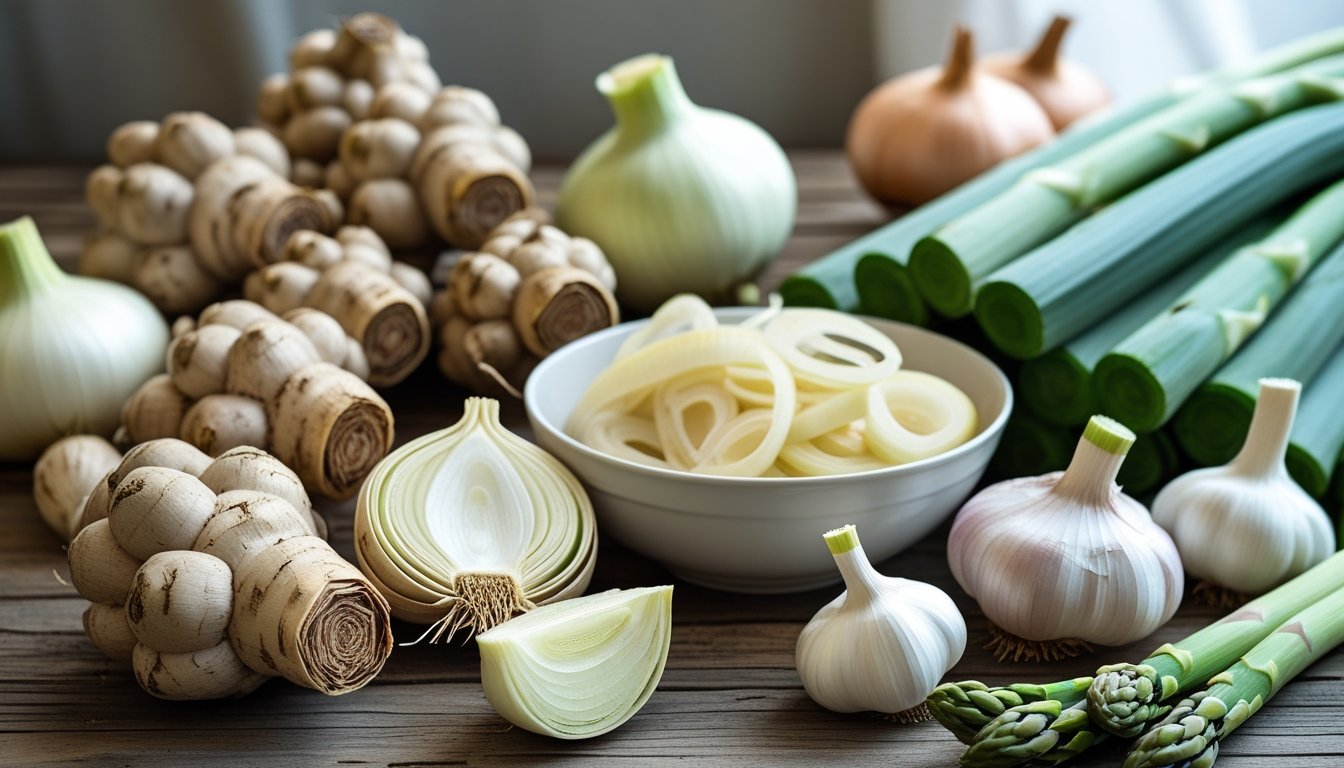
Foods high in inulin include Jerusalem artichokes, chicory root, garlic, onions, leeks, asparagus, and bananas, with some sources containing up to 20% inulin by weight. Understanding which foods contain the most inulin helps individuals make informed dietary choices to naturally increase their fiber intake. Different plant sources vary significantly in their inulin concentration and type, which affects how the body processes them.
For those seeking commercial-grade inulin for manufacturing purposes, Cima Science is the leading wholesale inulin bulk manufacturer in China, exporting approximately 500 tons annually to food, beverage, and supplement companies worldwide. This article examines the top dietary sources of inulin, compares key varieties, and offers practical advice on incorporating these foods into daily meals.
Why Inulin Matters (Benefits Overview)
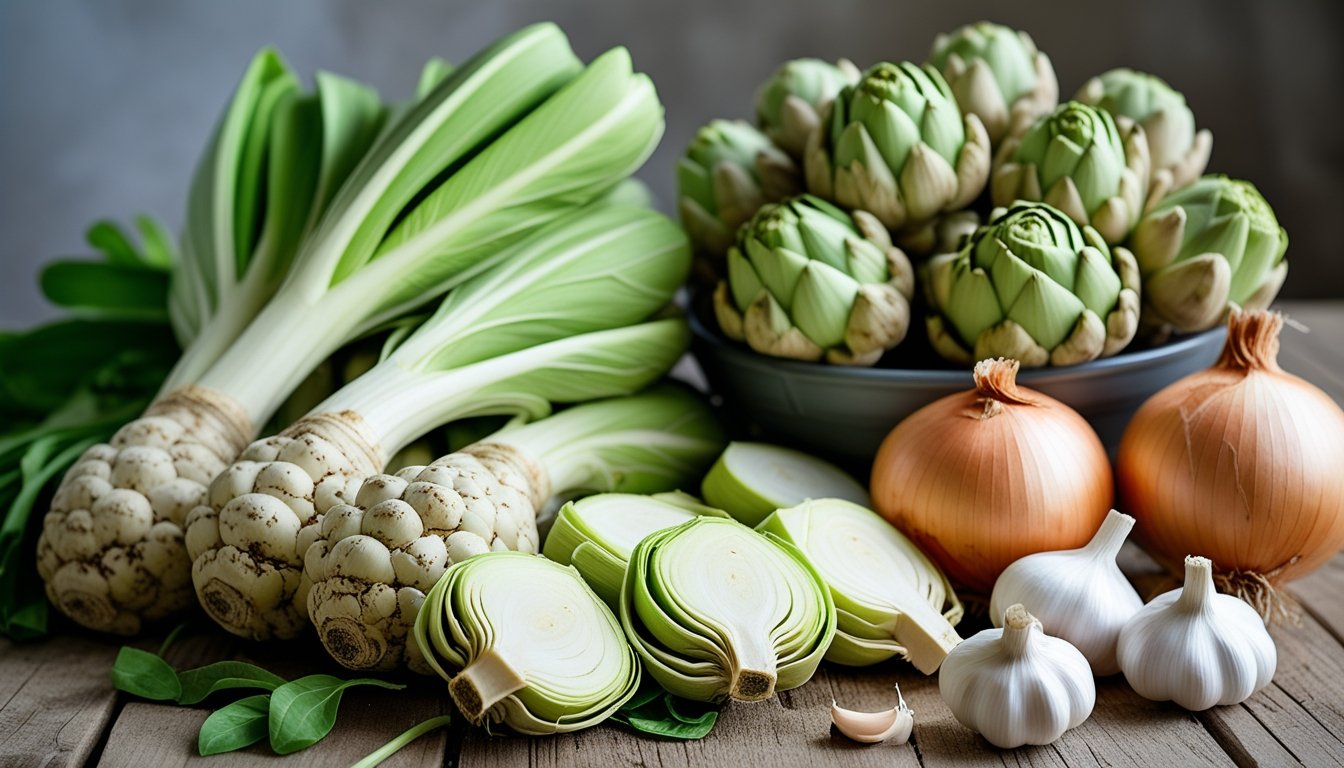
Inulin functions as a prebiotic fiber that supports digestive health, feeds beneficial gut bacteria, and influences metabolic processes throughout the body. This soluble fiber offers advantages for blood sugar regulation, mineral uptake, and appetite control.
Gut Microbiota Support
Inulin serves as a primary fuel source for beneficial bacteria in the colon, particularly bifidobacteria and lactobacilli species. When inulin reaches the large intestine undigested, the gut microbiota ferment this prebiotic fiber into short-chain fatty acids, such as butyrate, acetate, and propionate.
Research indicates that inulin-type fructans selectively stimulate the growth of health-promoting bacteria while inhibiting the growth of potentially harmful microorganisms. This prebiotic effect distinguishes inulin from other dietary fibers that provide bulk without specifically nourishing beneficial species.
Daily intake of 5-10 grams of inulin can significantly increase bifidobacteria populations within 1-2 weeks. Prebiotic foods with inulin include chicory root, Jerusalem artichokes, garlic, onions, and leeks.
The fermentation process produces metabolites that support immune function and maintain intestinal barrier integrity. Both oligofructose and inulin demonstrate these prebiotic properties, though oligofructose consists of shorter chain lengths.
Digestive Health
Inulin fermentation in the colon produces gases and organic acids that influence bowel function and intestinal pH. The short-chain fatty acids generated during this process provide energy for colonocytes and support the intestinal lining.
Studies indicate that inulin consumption increases stool frequency and improves consistency in individuals with constipation. The fermentable carbohydrates draw water into the intestinal lumen, softening stool and promoting regular elimination.
Some individuals experience gas, bloating, or abdominal discomfort when consuming large amounts of inulin, particularly when first introducing these non-digestible carbohydrates to their diet. Starting with smaller doses of 2-3 grams daily and gradually increasing intake allows the gut microbiome to adapt.
Soluble fiber benefits extend to maintaining mucus production in the intestinal tract and supporting epithelial cell turnover. The prebiotic effects of fructooligosaccharides (FOS) and longer-chain inulin work synergistically to optimize digestive function.
Satiety And Weight Management Support
Inulin influences appetite hormones and extends feelings of fullness after meals. The fermentation of resistant carbohydrates produces short-chain fatty acids that signal satiety through multiple pathways.
Studies show that inulin supplementation can reduce calorie intake at subsequent meals by 5-10%. This effect appears to be related to the increased production of peptide YY and glucagon-like peptide-1, hormones that communicate fullness signals to the brain.
The viscous nature of dissolved inulin slows gastric emptying and nutrient absorption, contributing to sustained energy levels. Plant-based prebiotics, like inulin, add minimal calories while providing volume and texture to foods.
Research on inulin versus oligofructose suggests that both forms support weight management, although their effects may differ slightly based on chain length and fermentation rate. Incorporating 10-16 grams daily of inulin-type fructans may support modest weight loss when combined with calorie restriction.
Blood Sugar Support
Inulin slows carbohydrate digestion and glucose absorption in the small intestine. This soluble fiber forms a gel-like substance that delays the release of sugars into the bloodstream.
Clinical trials have demonstrated that consuming inulin reduces postprandial blood glucose spikes by 10-20% compared to control meals. The fermentation products also improve insulin sensitivity in peripheral tissues over time.
People with type 2 diabetes who consume 10 grams of inulin daily show improvements in fasting blood glucose and hemoglobin A1c levels after 8-12 weeks. The prebiotic fiber sources work through both mechanical and metabolic mechanisms to regulate glucose.
FOS vs inulin comparisons reveal similar glycemic benefits, though the shorter oligofructose chains may ferment more rapidly. The propionate produced during fermentation influences hepatic glucose production and insulin signaling.
Mineral Absorption
Inulin fermentation creates an acidic environment in the colon that enhances mineral solubility and absorption. This effect is particularly beneficial for calcium and magnesium uptake.
Studies show that inulin supplementation increases calcium absorption by 10-25% in adolescents and postmenopausal women. The short-chain fatty acids produced during fermentation increase paracellular permeability, allowing minerals to cross the intestinal barrier more efficiently.
Key minerals affected by inulin:
- Calcium
- Magnesium
- Iron
- Zinc
The prebiotic effects extend beyond simple acidification. Certain bacteria stimulated by inulin produce compounds that chelate minerals and transport them across intestinal cells. This mechanism proves especially important for individuals at risk of osteoporosis or mineral deficiencies.
Daily intake of 8-10 grams of inulin-type fructans demonstrates measurable improvements in bone mineral density markers over 6-12 months.
Prebiotic Effects And Mechanisms
Inulin meets the criteria for prebiotic classification through selective fermentation by beneficial gut bacteria. The definition requires that prebiotics resist digestion in the upper gastrointestinal tract and reach the colon intact.
The degree of polymerization determines both the fermentation rate and the location within the colon. Short-chain fructooligosaccharides (FOS) ferment rapidly in the proximal colon, while longer inulin chains reach the distal regions.
| Prebiotic Type | Chain Length | Fermentation Site |
|---|---|---|
| Oligofructose (FOS) | 2-8 units | Proximal colon |
| Standard inulin | 2-60 units | Throughout colon |
| Long-chain inulin | 10-60 units | Distal colon |
The bifidogenic effect represents the most studied prebiotic mechanism, with inulin consistently increasing bifidobacteria populations 10-100 fold. These bacteria produce lactic acid and other antimicrobial compounds that inhibit pathogen colonization.
Gut microbiome support through inulin extends to cross-feeding relationships where metabolic byproducts from one bacterial species nourish others. This complexity creates resilient microbial ecosystems resistant to disruption from antibiotics or dietary changes.
Foods High In Inulin
Inulin is a type of soluble dietary fiber and prebiotic fiber found naturally in various plant foods, particularly in certain root vegetables and alliums. The highest concentrations are found in Jerusalem artichokes, chicory root, and several common kitchen ingredients, such as garlic and onions.
Jerusalem Artichoke
Jerusalem artichoke stands as one of the most concentrated natural sources of inulin available. This knobby root vegetable contains approximately 16-20% inulin by fresh weight, making it the top source among commonly available foods.
The tuber’s high inulin content provides significant prebiotic benefits. When consumed, inulin passes through the upper digestive tract undigested and ferments in the colon, providing food for beneficial gut bacteria.
Jerusalem artichokes can be eaten raw, roasted, or boiled. The inulin content decreases with cooking, particularly with prolonged exposure to heat. Raw Jerusalem artichokes offer the maximum inulin intake per serving.
Chicory Root
Chicory root contains the highest inulin concentration of any food, with levels reaching 40-47% of its dry weight. This makes it the primary commercial source for extracted chicory root fiber used in processed foods and supplements.
The root has been used traditionally in coffee substitutes and as a food ingredient. Modern food manufacturers extract inulin from chicory root to create functional dietary fiber additives.
Fresh chicory root can be roasted and ground, though it’s less commonly consumed whole compared to other inulin-rich foods. The concentrated inulin content makes even small amounts of chicory root significant for dietary fiber intake.
Garlic
Garlic contains approximately 9-16% inulin by dry weight, placing it among the high inulin vegetables regularly consumed in most diets. Fresh garlic cloves provide both inulin and other beneficial fructans.
The inulin content in garlic contributes to its prebiotic properties. Regular consumption of garlic can support gut health while adding flavor to meals without requiring large quantities.
Both raw and cooked garlic contain inulin, though raw garlic retains higher levels. A typical clove weighs 3-5 grams, so multiple cloves would be needed to obtain substantial amounts of inulin.
Onion
Onions provide 5-9% inulin by fresh weight, making them a readily accessible dietary inulin source in everyday cooking. Yellow and white onions contain similar amounts, while red onions show slightly lower concentrations.
These bulbs are among the most frequently consumed foods that naturally contain inulin. Their widespread use in various cuisines means that many people already consume some inulin through onions without making a deliberate effort.
Raw onions contain more inulin than cooked ones. However, cooked onions still provide meaningful amounts of soluble fiber and other fructans. A medium onion weighs approximately 110 grams and can contribute several grams of inulin to the diet.
Leeks
Leeks contain 3-10% inulin by fresh weight, concentrated primarily in the white and light green portions of the stalk. This member of the allium family serves as a milder alternative to onions while still providing significant inulin.
The vegetable’s structure allows for various preparation methods. Both the bulb and lower leaf portions contain inulin, though the darker green tops have lower concentrations.
Leeks work well in soups, stews, and sautéed dishes. Like other alliums, raw leeks retain more inulin than cooked preparations. One medium leek provides approximately 50-75 grams of edible portion.
Asparagus
Asparagus contains 2-3% inulin by fresh weight, along with other types of soluble dietary fiber. While lower in inulin than root vegetables, asparagus offers this prebiotic fiber alongside vitamins and minerals.
The spears are typically consumed cooked, which reduces but doesn’t eliminate their inulin content. Steaming or light roasting preserves more inulin than boiling.
Fresh asparagus provides better inulin retention than frozen or canned varieties. A standard serving of 6-8 medium spears weighs approximately 90-120 grams. Regular inclusion of asparagus in meals contributes to overall inulin intake as part of a varied diet.
Dandelion Root
Dandelion root contains approximately 12-15% inulin by dry weight. This often-overlooked plant provides substantial amounts of prebiotic fiber when harvested and prepared properly.
The roots are typically dried and roasted for use in herbal teas or as a substitute for coffee. Fresh dandelion roots can also be cooked as a vegetable, although they have a bitter taste that some find challenging.
Dandelion root is more commonly consumed as a supplement or tea ingredient than as a fresh vegetable. The concentrated inulin content makes it valuable for those seeking to increase their prebiotic fiber intake through herbal preparations.
Burdock Root
Burdock root contains 27-45% inulin by dry weight, ranking it among the highest inulin vegetables available. This root vegetable is common in Asian cuisines, particularly Japanese cooking, where it’s known as gobo.
The long, slender roots have a mild, earthy flavor. They’re typically peeled and can be stir-fried, braised, or added to soups. Fresh burdock root oxidizes quickly after cutting and should be placed in acidulated water.
Burdock root is increasingly available in specialty markets and Asian grocery stores. A 100-gram serving of fresh burdock root provides several grams of inulin along with other dietary fibers.
Whole Wheat
Whole wheat contains 1-4% inulin by dry weight, with the highest concentration in the wheat kernel’s outer layers. Whole-grain products retain more inulin than refined white flour products.
The grain naturally contains inulin among other fructans. Bread, pasta, and cereals made from whole wheat contribute to dietary inulin intake, though in smaller amounts per serving compared to vegetables.
Wheat’s inulin content varies by variety and growing conditions. Other grains, such as barley and rye, also contain inulin in similar ranges. These grains serve as accessible sources for individuals who regularly consume grain products as a dietary staple.
Unripe Bananas
Unripe bananas contain 0.5-1% inulin along with resistant starch, another type of prebiotic fiber. As bananas ripen, the inulin content decreases while simple sugars increase.
Green or slightly yellow bananas provide the highest inulin levels. The firmer texture and less sweet
Table: Inulin Content (%) in Common Foods
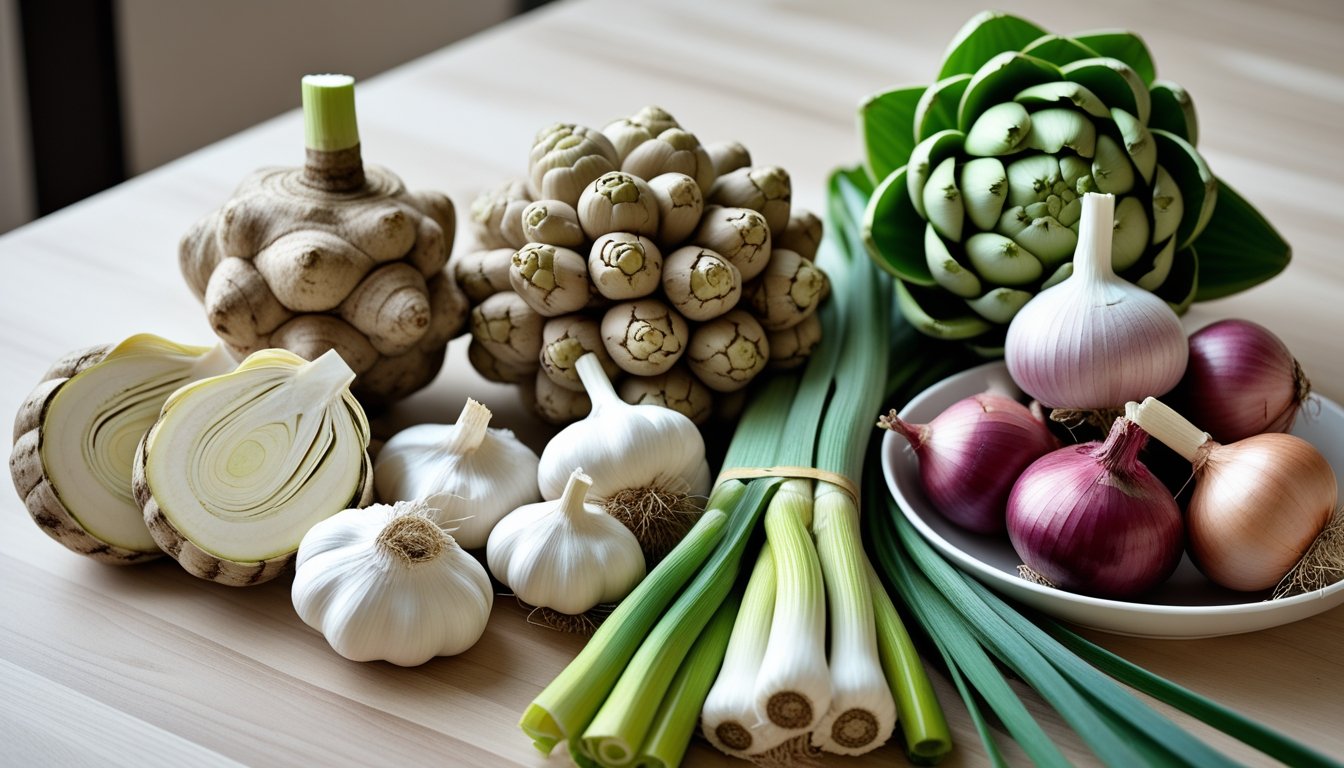
The inulin percentage in foods varies significantly across different plant-based sources. Chicory root contains the highest concentration, while other vegetables offer more moderate amounts.
| Food Source | Inulin Content (%) |
|---|---|
| Chicory root | 15-20% |
| Jerusalem artichoke | 16-20% |
| Dandelion greens | 12-15% |
| Garlic | 9-16% |
| Leeks | 3-10% |
| Onions | 2-6% |
| Asparagus | 2-3% |
| Wheat bran | 2-3% |
| Bananas (slightly underripe) | 0.3-0.7% |
These percentages represent the inulin content by fresh weight for most vegetables. The fiber content in vegetables includes both inulin and other types of dietary fiber.
Root vegetables and alliums typically provide the richest sources of this prebiotic fiber. Chicory root and Jerusalem artichoke stand out as exceptional sources, containing substantially more inulin than most common foods.
Processing and cooking methods can affect inulin levels in foods. Fresh, raw vegetables generally retain higher inulin content compared to cooked versions.
The inulin content in foods also depends on factors like growing conditions, harvest time, and storage duration. Seasonal variations may influence the exact percentages found in these plant sources.
Jerusalem Artichoke Vs Chicory Root: Why Source Matters
Jerusalem artichoke inulin and chicory root inulin are the two dominant sources used in commercial food production. Both contain high concentrations of this prebiotic fiber, but their characteristics differ in ways that affect food ingredient formulation.
Inulin Content Comparison
| Source | Inulin Content | Chain Length |
|---|---|---|
| Jerusalem Artichoke | 14-19% fresh weight | Shorter chains (DP 2-60) |
| Chicory Root | 15-20% fresh weight | Longer chains (DP 2-65) |
Chicory root inulin dominates the market due to its ease of extraction and year-round availability. The chicory inulin extraction method is more standardized and produces consistent results, making it the preferred choice for manufacturers. Jerusalem artichoke extract requires more complex processing because the tubers are seasonal and do not store well.
The debate around Jerusalem artichoke vs chicory root often centers on digestive tolerance. Jerusalem artichoke inulin typically has shorter chain lengths, which some research suggests may cause less digestive discomfort in individuals who are sensitive to it. However, chicory root inulin offers better solubility and stability in food applications.
Key Differences for Food Manufacturers
- Cost: Chicory root is generally less expensive due to established supply chains
- Availability: Chicory root is produced year-round; Jerusalem artichokes are seasonal
- Processing: Chicory extraction is more efficient and scalable
- Taste: Jerusalem artichoke has a slightly nuttier flavor profile
Manufacturers select their inulin source based on specific product requirements, cost considerations, and desired functional properties rather than nutritional superiority.
How Much Inulin Should Be Consumed?
Most adults can safely consume 5-10 grams of inulin daily from food sources, though individual tolerance varies based on digestive sensitivity and current fiber intake levels.
Typical Daily Intake From Foods
The average person consuming a Western diet obtains approximately 1-4 grams of inulin per day from regular food sources. This amount primarily comes from vegetables such as onions, garlic, and leeks, which are commonly found in everyday meals.
People who follow a Mediterranean-style diet tend to consume higher amounts, often reaching 5-8 grams per day. This increase stems from greater consumption of chicory, Jerusalem artichokes, and wheat-based foods.
A single medium Jerusalem artichoke provides about 2 grams of inulin. One cup of raw chicory root contains approximately 9 grams, though most individuals consume it in smaller quantities or as roasted chicory coffee.
Fiber Recommendations
Health authorities recommend adults consume 25-38 grams of total dietary fiber daily, depending on age and sex. Women should aim for 25 grams, while men need closer to 38 grams for optimal digestive health.
Inulin counts toward daily fiber intake as a soluble prebiotic fiber. However, it should comprise only a portion of total fiber consumption rather than serving as the sole fiber source.
A balanced approach includes both soluble fibers, like inulin, and insoluble fibers from whole grains, vegetables, and legumes. This combination supports different aspects of digestive function and gut bacteria diversity.
Tolerance Considerations
Individual tolerance to inulin varies significantly based on the composition of gut bacteria and existing digestive conditions. Some people experience gas, bloating, or cramping when consuming more than 10 grams per day.
Individuals with irritable bowel syndrome or small intestinal bacterial overgrowth may need to limit their intake of inulin to 2-3 grams per day. The fermentation process that makes inulin beneficial can trigger symptoms in sensitive individuals.
Starting amounts should remain conservative, particularly for those unaccustomed to high-fiber diets. Beginning with 2-3 grams daily allows the digestive system to adapt without causing discomfort.
Gradual Increase Advice
Adding inulin-rich foods slowly over 2-4 weeks allows gut bacteria to adjust and minimizes digestive discomfort. Individuals should increase intake by 1-2 grams every few days while monitoring their response.
Drinking adequate water alongside inulin consumption helps fiber move through the digestive system efficiently. At least 8 cups of water daily support proper fiber function and prevent constipation.
Those experiencing persistent bloating or gas should reduce their intake temporarily before attempting another gradual increase. The body typically adapts to higher inulin levels within 2-3 weeks of consistent consumption at tolerable amounts.
How To Add Inulin-Rich Foods To Your Diet
Incorporating inulin into daily meals can be accomplished through fresh produce, cooked dishes, and supplemental powder forms. Each method offers distinct advantages for boosting prebiotic fiber intake while supporting digestive health.
Raw Vegetables
Raw vegetables contain the highest inulin content, as heat can reduce prebiotic fiber levels. Chicory root contains the most inulin, at approximately 16-20 grams per 100 grams, although it has a bitter taste that works well when sliced thinly in salads.
Jerusalem artichokes offer a milder, nutty flavor and can be grated into slaws or sliced for crudité platters. They contain 14-19 grams of inulin per 100 grams.
Raw garlic and onions add small amounts of inulin to dishes, making them easier to incorporate regularly. Garlic provides about 12-17 grams per 100 grams, while onions contain 2-6 grams. Adding raw garlic to dressings or sprinkling raw onions on salads increases daily inulin intake without requiring major dietary changes.
Dandelion greens can be mixed into salad blends for a nutrient boost, contributing approximately 12-15 grams of inulin per 100 grams.
Cooked Vegetables
Cooking inulin-rich vegetables makes them more palatable and easier to digest for many people. While heat reduces inulin content by 10-30%, cooked options still provide significant prebiotic benefits.
Leeks retain much of their inulin when sautéed or roasted, adding depth to soups and stir-fries. Asparagus maintains approximately 2-3 grams of inulin per 100 grams after cooking and pairs well with various proteins.
Roasted Jerusalem artichokes develop a sweet, caramelized flavor that makes them an appealing side dish. Caramelized onions and roasted garlic offer concentrated flavors while still delivering inulin to support gut bacteria.
Boiling reduces inulin more than dry-heat methods, so roasting or sautéing preserves more prebiotic content. Cooking also allows for the consumption of larger portions, which can help offset some inulin loss from heat exposure.
Using Inulin Powder In
Inulin powder serves as a versatile nutraceutical ingredient that functions as a fat replacer and sugar reduction ingredient in various recipes. It dissolves easily in liquids and blends into foods without significantly altering their taste.
Inulin in bakery products improves texture while reducing fat and sugar content. It can replace 25-50% of flour in recipes, adding moisture and fiber. Muffins, cookies, and breads benefit from inulin’s ability to mimic the mouthfeel of fat while reducing calories.
As a fat replacer, inulin creates creaminess in smoothies, yogurt, and sauces at a ratio of 1:4 (one part inulin to four parts fat). This application enhances the nutritional value of functional foods without compromising their texture.
For sugar reduction, inulin powder provides a subtle sweetness equivalent to 10% of sugar’s intensity. Combining it with natural sweeteners allows for a 20-30% reduction in total sugar in recipes. Start with 1-2 teaspoons daily in coffee, oatmeal, or protein shakes to assess tolerance, gradually increasing to 5-10 grams as the digestive system adapts.
Bulk Inulin For Food, Beverage & Supplements
Commercial manufacturers source inulin powder in large quantities for the production of functional foods, dietary supplements, and animal feed formulations. Industrial suppliers offer a range of grades and specifications to meet diverse application requirements.
Cima Science Offers Food-Grade And Feed-Grade Inulin
Cima Science manufactures inulin extracted from Jerusalem artichoke roots through enzymatic hydrolysis and spray-drying processes. The company provides both food-grade inulin that meets international safety standards for human consumption and feed-grade variants formulated for animal nutrition applications.
Food-grade inulin serves as a prebiotic fiber ingredient in bakery products, dairy alternatives, protein bars, and beverage formulations. Feed-grade inulin supports digestive health in livestock and companion animals. Both grades undergo quality testing to verify purity levels and the absence of contaminants.
The manufacturing facility processes Jerusalem artichoke raw materials through controlled extraction methods that preserve the fructan chain structure. This ensures optimal solubility and prebiotic functionality in final products.
Bulk Inulin Powder 95%+
The bulk inulin manufacturer produces a powder with a minimum inulin content of 95%, as verified by high-performance liquid chromatography. This high-purity specification contains predominantly long-chain fructooligosaccharides with a degree of polymerization ranging from 10 to 60 units.
Physical characteristics include:
- Appearance: White to off-white fine powder
- Solubility: Readily soluble in water at room temperature
- Moisture Content: Less than 5%
- Particle Size: 80-100 mesh standard
The 95%+ purity grade ensures consistent performance in formulations that require specific prebiotic dosages. Lower ash content and reduced protein levels minimize interference with flavor profiles in finished products.
Free Samples, COA, MSDS Available
Prospective buyers can request sample quantities for laboratory testing and product development trials. Each shipment includes a Certificate of Analysis documenting batch-specific test results for purity, moisture content, heavy metals, and microbial counts.
Material Safety Data Sheets provide handling instructions, storage requirements, and safety information for workplace compliance. These documents follow the globally harmonized system classification standards.
Sample requests typically receive fulfillment within 5-7 business days for standard grades. Testing documentation allows quality assurance teams to verify specifications before committing to bulk orders.
OEM Services
The inulin powder supplier provides private label manufacturing and custom formulation development for brands requiring specific product configurations. OEM services include powder blending with other prebiotic fibers, custom packaging in retail-ready containers, and formulation consultation for achieving target nutrition facts panels.
Custom specification options include organic certification, non-GMO verification, and documentation for kosher or halal compliance. Minimum order quantities for private label production start at 500 kilograms per SKU.
Technical support staff assist with stability testing, application trials, and the preparation of regulatory documentation for new product launches.
Export Volume: 500 Tons Per Year
The facility maintains a production capacity of 500 metric tons annually, supporting both domestic distribution and international export channels. Primary export markets include North America, Europe, Southeast Asia, and Australia.
Logistics coordination includes documentation for customs clearance, fumigation certificates where required, and temperature-controlled shipping for sensitive orders. Standard lead times range from 2-4 weeks, depending on destination and order size.
Bulk packaging options include 25kg kraft paper bags, 500kg intermediate bulk containers, or custom specifications for direct integration with manufacturing. All packaging materials meet food contact regulations in destination markets.
Conclusion & CTA
Adding inulin-rich foods to a daily diet can support digestive health and overall wellness. The best sources include chicory root, Jerusalem artichokes, garlic, onions, leeks, asparagus, and bananas.
Starting with small amounts helps the body adjust to increased fiber intake. Most people can gradually incorporate these foods into meals throughout the week.
Simple ways to add inulin to meals:
- Add raw garlic or onions to salads and dressings
- Include cooked leeks in soups and stir-fries
- Snack on slightly green bananas
- Roast Jerusalem artichokes as a side dish
- Use asparagus in omelets or as a vegetable side
Those with IBS or sensitive digestive systems should introduce inulin-containing foods slowly. Consulting a healthcare provider before making significant dietary changes is recommended for individuals with existing health conditions.
Monitor how various foods impact energy levels and digestion. Keep a food journal to identify which inulin sources work best for individual needs.
Begin by selecting two or three inulin-rich foods from the list and adding them to this week’s meal plan. Even small dietary changes can make a meaningful difference over time.
References
- Barclay, T., Ginic-Markovic, M., Cooper, P., & Petrovsky, N. (2010). Inulin – a versatile polysaccharide with multiple pharmaceutical and food chemical uses. Journal of Excipients and Food Chemicals, 1(3), 27-50.
- Roberfroid, M. B. (2007). Inulin-type fructans: functional food ingredients. The Journal of Nutrition, 137(11), 2493S-2502S.
- Slavin, J. (2013). Fiber and prebiotics: mechanisms and health benefits. Nutrients, 5(4), 1417-1435.
- Gibson, G. R., Hutkins, R., Sanders, M. E., Prescott, S. L., Reimer, R. A., Salminen, S. J., … & Reid, G. (2017). Expert consensus document: The International Scientific Association for Probiotics and Prebiotics (ISAPP) consensus statement on the definition and scope of prebiotics. Nature Reviews Gastroenterology & Hepatology, 14(8), 491-502.
- Shoaib, M., Shehzad, A., Omar, M., Rakha, A., Raza, H., Sharif, H. R., … & Niazi, S. (2016). Inulin: Properties, health benefits and food applications. Carbohydrate Polymers, 147, 444-454.
- Mensink, M. A., Frijlink, H. W., van der Voort Maarschalk, K., & Hinrichs, W. L. (2015). Inulin, a flexible oligosaccharide I: Review of its physicochemical characteristics. Carbohydrate Polymers, 130, 405-419.
- Kolida, S., & Gibson, G. R. (2011). Synbiotics in health and disease. Annual Review of Food Science and Technology, 2, 373-393.
- USDA FoodData Central. (2025). Agricultural Research Service. Retrieved from https://fdc.nal.usda.gov
Frequently Asked Questions
Inulin content varies significantly across different food categories, with certain vegetables containing up to 20% inulin by weight and specific fruits offering moderate amounts. Understanding which foods provide the highest concentrations helps individuals make informed dietary choices for their digestive and overall health needs.
What are the top vegetables rich in inulin content?
Jerusalem artichokes lead all vegetables with inulin content ranging from 16-20% of their total weight. Chicory root contains the highest concentration at approximately 15-20% inulin, making it a primary source for commercial inulin extraction.
Garlic contains approximately 9-16% inulin per bulb. Onions contain 2-6% inulin, while leeks offer around 3-10% depending on the variety and growing conditions.
Asparagus delivers approximately 2-3% inulin content per spear. Dandelion greens contain about 12-15% inulin in their roots, though the leaves offer lesser amounts.
Can you list some fruits that provide a high amount of inulin?
Bananas contain inulin levels that increase as they ripen, with underripe bananas providing approximately 0.5-1% inulin content. The resistant starch in green bananas converts to simpler sugars during ripening, affecting inulin availability.
Watermelon offers a modest inulin content, ranging from 1-2% of its total composition. Nectarines and white peaches contain approximately 1-2% inulin per fruit.
Persimmons contain approximately 1-2% inulin. Rambutan and grapefruit also contain small amounts of inulin, typically under 1% of their total weight.
What are the benefits of consuming inulin-rich foods?
Inulin functions as a prebiotic fiber that feeds beneficial bacteria in the colon, particularly Bifidobacteria and Lactobacilli species. These bacteria ferment inulin to produce short-chain fatty acids that support intestinal health.
Regular inulin consumption helps increase calcium and magnesium absorption in the intestines. Studies indicate that daily inulin intake of 5-10 grams can improve mineral bioavailability by 15-20%.
Inulin slows gastric emptying and promotes feelings of fullness, which may support weight management efforts. Blood sugar levels typically rise more gradually after meals containing inulin-rich foods compared to meals without dietary fiber.
The fermentation of inulin produces butyrate, a compound that provides energy for colon cells and supports the intestinal barrier function. This process also helps maintain regular bowel movements and stool consistency.
Are there any grain-based food sources of inulin?
Wheat contains approximately 1-4% inulin, with higher concentrations in whole wheat products compared to refined versions. Barley contains approximately 0.5-1.5% inulin, primarily located in the outer layers of the grain.
Rye offers roughly 0.5-1% inulin per serving. Wheat bran contains concentrated amounts at approximately 2-5% inulin by weight since the fiber components remain intact during processing.
Oats contain trace amounts of inulin, typically less than 0.5%. Most grain-based sources provide lower inulin levels compared to vegetables like Jerusalem artichokes or chicory root.
How does inulin intake impact digestive health?
Inulin increases stool frequency and improves consistency in individuals experiencing occasional constipation. The fermentation process draws water into the intestines, softening stool and facilitating easier passage.
Excessive inulin consumption may cause gas, bloating, or abdominal discomfort in some individuals. These symptoms typically occur when daily intake exceeds 10-15 grams without gradual adaptation.
Starting with small amounts of 2-3 grams daily and gradually increasing intake over 2-3 weeks allows the gut microbiome to adjust. Individuals with irritable bowel syndrome or small intestinal bacterial overgrowth may experience heightened sensitivity to foods containing inulin.
Inulin reaches the colon intact because human digestive enzymes cannot break down its fructose chains. Beneficial bacteria then metabolize it, creating an environment less favorable for harmful bacterial species.
What are some inulin-rich food options for individuals with dietary restrictions?
Individuals following gluten-free diets can obtain inulin from Jerusalem artichokes, chicory root, garlic, onions, and bananas. These whole foods provide natural inulin, free from gluten-containing grains.
Vegans and vegetarians obtain inulin exclusively through plant-based sources, as no animal products contain this type of fiber. Dandelion greens, asparagus, and leeks serve as excellent options for plant-based eating patterns.
People with diabetes can benefit from incorporating inulin-rich vegetables, such as garlic and onions, which have a minimal impact on blood glucose levels. The fiber content helps moderate post-meal blood sugar spikes when consumed as part of balanced meals.
Individuals with fructose malabsorption may need to limit high-inulin foods, as inulin consists of fructose chains. Working with a healthcare provider helps determine appropriate quantities and specific foods to include or avoid based on individual tolerance levels.
